
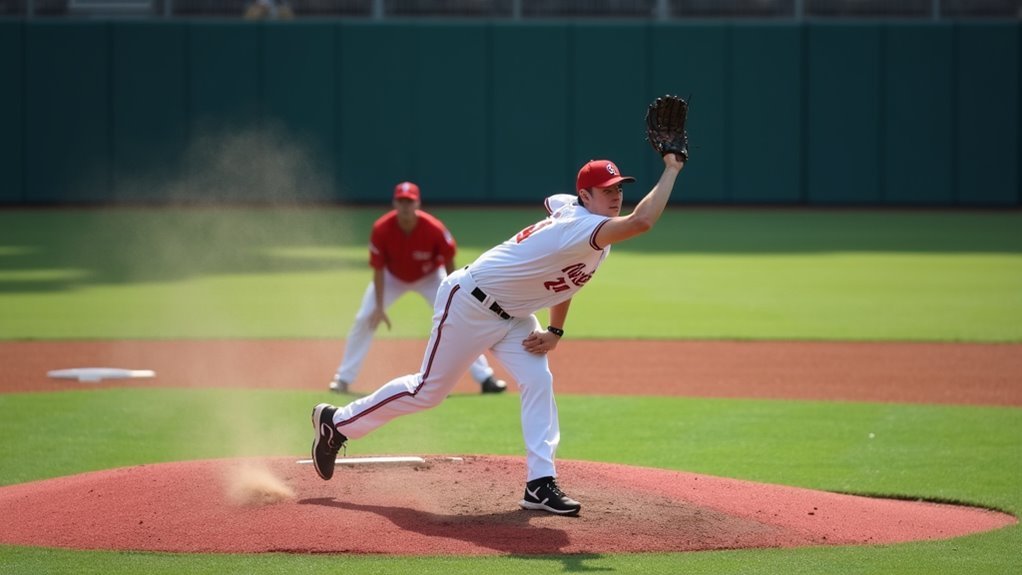

A strikeout happens when a batter accumulates three strikes during a single plate appearance. Strikes are called for swinging and missing, taking a pitch in the strike zone, or fouling a pitch with two strikes. A swinging strike that is not caught still counts, but a dropped third strike can allow the batter to run to first base under specific rules. A catcher’s clean catch of the third strike ends the plate appearance immediately. Strikeouts remove offensive momentum and are recorded as a common pitching and defensive success.
What Is a Strikeout in Baseball?
A strikeout is one of baseball’s clearest moments of tension, because it ends a batter’s chance in just a few pitches. You feel the pressure rise, then vanish, and that’s why fans lean in so hard.
In simple terms, you get a strikeout once a batter collects three strikes in one plate appearance. The umpire tracks those pitches with firm umpire mechanics, and the scorebook marks the result with a K.
That moment also shapes strikeout psychology, because you can sense how a hitter, pitcher, and crowd all share the same nerves. Whenever you understand it, you join the rhythm of the game more easily. It’s not just an out; it’s a shared, sharp pause that everyone notices together.
How a Batter Gets Struck Out
You get struck out once a pitcher reaches three strikes against you in one plate appearance. That third strike can come on a pitch you swing at and miss, or on a pitch you watch go by in the strike zone.
Once that happens, the umpire calls you out, and the at-bat ends right away.
Three Strikes Rule
Usually, a batter gets struck out after collecting three strikes in one plate appearance, and that third strike ends the chance to keep hitting. You can regard it as the game’s simple reset point: three misses or takes in the wrong spots, and the at-bat is over. In countback scenarios, you might notice how quickly the pressure climbs, because every pitch nudges you closer to that final mark.
That’s why batter psychology matters so much. You want to stay calm, trust your plan, and avoid chasing a pitch just because the count feels tense. Should you belong in the box, you also belong in the moment, and that confidence can help you handle the next pitch without panic or doubt.
Called And Swinging Outs
Once you understand the three-strike rule, the next big question is how that final strike actually ends the at-bat. You can see two paths, and both can feel harsh while you’re in the moment.
- On a called strikeout, the umpire reads the pitch and signals strike three.
- On a swinging strikeout, you take a full cut and miss.
- Provided the catcher cleanly catches that third strike, you’re out right away.
- Should he not, rules on initial base and outs decide whether you run.
That’s why umpire mechanics matter so much. A clear call helps everyone stay in sync, even as hitter psychology is working hard against you.
You’re not alone in that pressure. Every batter faces the same split-second fight, and that’s part of baseball’s shared grind.
What Counts as a Strike in Baseball
A strike starts with the strike zone, the imaginary box over home plate between your knees and shoulders.
In case you don’t swing at a pitch that passes through that zone, or you swing and miss, you’ll see a strike added to the count.
A foul ball also counts as a strike, so every pitch can matter fast.
Strike Zone Basics
Inside the strike zone, baseball gets very exact, and that’s where strikes start to count. You belong in the game whenever you know this space above home plate, from knees to shoulders, decides a lot. Umpire positioning matters because a clear view helps the call stay fair, and catcher framing can make a pitch look cleaner than it originally seemed.
- Provided the pitch crosses that box, it can be a strike.
- Should you swing and miss, it’s a strike anywhere.
- Once you watch a pitch in the zone, it still counts.
- In case you foul it off, the strike stays on your side.
Called And Swinging
Not every strike comes from the same kind of pitch, so it helps to know how the call works whenever the batter doesn’t swing. Assuming a pitch crosses the strike zone and you hold back, the umpire can call it a strike. That’s why pitch recognition matters so much.
You learn to spot the ball promptly, then trust your eyes and hands. A missed swing also counts as a strike, even should the pitch be outside the zone. In both cases, the strike moves you closer to a strikeout.
That can feel rough, but you’re not alone. Good timing drills help you react sooner, stay calm, and make better choices at the plate. Once you understand called and swinging strikes, you play with more confidence.
Foul Balls Count
Foul balls can feel tricky, but they follow a simple rule that helps you understand what counts as a strike in baseball. Whenever you stay with the count, you’ll see the game make sense fast.
- A foul ball counts as a strike provided you already have fewer than two strikes.
- On the third strike, a foul ball usually doesn’t end the plate appearance.
- A foul tip is different, and foul tip clarification matters because a caught tip is a strikeout.
- Bunting exceptions matter too, since a foul bunt with two strikes counts as strike three.
How Strike Counts Add Up
A strike count builds one pitch at a time, and that’s where a strikeout starts to feel real. You track every pitch, and each strike changes the mood in the box and in the stands. With smart pitch sequencing, the pitcher can mix speeds and locations, while you wait for the next move. That’s the heart of count pressure.
| Count | What it means |
|---|---|
| 0-1 | You’re already behind |
| 1-2 | One more mistake hurts |
| 2-2 | You’re close to the edge |
At each step, the batter has less room to relax, and you can feel the tension rise. A strike count doesn’t just show numbers; it shapes the whole battle and keeps you locked in with your team.
Called, Swinging, and Foul Strikeouts
You’ll hear three main kinds of strikeouts: called, swinging, and foul strikeouts.
A called strikeout happens whenever you take a pitch and the umpire calls it a strike, while a swinging strikeout happens whenever you swing and miss.
A foul strikeout can happen too, and it often catches you off guard whenever that third strike comes off a foul bunt or a caught foul tip.
Called Strikeouts
Called strikeouts can feel rough for a hitter, because the batter never even gets a chance to fight off the last pitch, however they’re a normal part of the game. You can read them in scorebooks as a backward K, and that small mark can sting a little.
- The umpire rules the pitch a strike.
- You stay quiet and don’t swing.
- catcher framing can help steal a border pitch.
- umpire positioning can shape what the call looks like.
When you’re in the box, these close calls happen, and your teammates know the feeling. The best part is that you’re still part of the same hard-fought battle, pitch for pitch. Your crowd gets it too, because every called strikeout starts with one brave take and one sharp judgment.
Swinging Strikeouts
Upon a hitter swinging and missing, the strikeout can feel sudden, but it follows a clear pattern that every fan can track.
You see it whenever the pitcher wins with pitch sequencing and release deception, mixing speed and location so your hitter chases late.
The swing comes hard, but the barrel misses, and that third strike ends the plate appearance right away.
Should the pitch be in the zone, the umpire still records the strike even whenever your hitter guesses right and comes up empty.
You’ll also notice how a quick changeup or sharp slider can make the miss look bigger than it is.
That’s the beauty of a swinging strikeout: it examines your eyes, your timing, and your patience, all in one tense moment.
Foul Strikeouts
Sometimes a strikeout can look messy instead of dramatic, and foul balls are a big reason why. You might fight off pitch after pitch, but each foul still adds pressure. Here’s how it works:
- A foul ball counts as a strike.
- A foul tip caught cleanly can end your at bat.
- Foul strikeouts occur once the third strike comes on a foul bunt or tipped pitch.
- The umpire’s call depends on umpire interpretation and whether the catcher secures the ball.
If you foul off two strikes, you’re one pitch from sitting down, so every swing matters. That’s why teammates understand the grind. You’re not alone in that battle, and baseball rewards you for staying tough, even whenever the contact isn’t pretty.
Strikeout Rules and Exceptions
A strikeout isn’t always as simple as three strikes and you’re out, because baseball has a few key rules and exceptions that can change the result. You’ll see a called third strike when you don’t swing, and a swinging one when you miss. Provided the catcher drops the third strike and first base is open, or there are two outs, you can still run.
A foul bunt on strike three stays a strikeout, even though the ball isn’t caught cleanly. Sometimes catcher’s interference or scorekeeper controversies can make the play feel messy, but the umpire’s ruling still controls the official result. You’re not alone assuming this feels tricky; fans and players sort through these moments every season, and the game’s rules keep it fair.
Why Strikeouts Matter in a Game
Strikeouts matter because they can shift a game in a single pitch, and that pressure reaches both sides of the field. Whenever you’re in the stands or on the bench, you feel the mood change fast. One big K can lift your team and rattle the other side.
- It helps your defense reset.
- It can cool down a hot inning.
- It affects player psychology and confidence.
- It can change defensive shifts and game plans.
You also know a strikeout ends a threat cleanly, so every out feels bigger. That’s why fans bond over these moments. You cheer, you groan, and you stay locked in together.
In tight games, strikeouts can make everyone feel like they’re part of the same fight.
Which Pitchers Rack Up Strikeouts?
Power pitchers usually rack up the most strikeouts, because their fastballs ride through the zone and force hitters to react late. You’ll often see them at the top of the strikeout charts, and that’s no accident. Should you bring plus velocity, sharp movement, and good pitch sequencing, you can miss bats more often and keep hitters guessing.
Some starters lean on a hard slider, while others pair a rising fastball with a splitter or curve. You’ll also notice that strikeout arms usually track with velocity trends, since harder throwers can create more swing-and-miss contact. Even so, control matters, because a big arm alone won’t carry you. Whenever you watch these pitchers, you’re seeing a plan, not just heat. That’s what makes them so tough to face.
Which Batters Avoid Strikeouts?
Usually, the batters who avoid strikeouts do the little things well, and that can make a huge difference as the game gets tight. You fit that group provided you stay balanced, shorten your swing, and trust your hands. Contact specialists often spoil tough pitches and keep the line moving, while free swingers might chase more and miss more.
- You watch the ball promptly.
- You protect two-strike counts.
- You use the whole field.
- You stay calm after a miss.
Once you make contact often, you give yourself a better chance to belong in the lineup and help your team breathe easier. That steady approach doesn’t need flashy power. It just needs focus, patience, and a swing that meets the ball more often than not.
How Strikeouts Shape Team Strategy
As soon as the outs start stacking up, teams don’t just sit back and hope for a hit. You’ll see them change pitch sequencing to keep hitters guessing, mixing fastballs, breaking balls, and changeups so you can’t settle in. Whenever strikeouts pile up, coaches might shift the lineup to favor contact hitters who put the ball in play.
On defense, defensive shifts become more useful because teams expect more weak contact from pressured hitters. Suppose you’re rooting for your club, you’ll notice the mood change too. Strikeouts can lift your pitchers and steady your dugout, because each punchout feels like a clean win. At the same time, your team stays ready for a long battle, since one big swing can still flip everything.
What Strikeout Stats Show
Strikeout stats tell you more than just how often a pitcher gets a batter out. They show you pitcher dominance, and they also reveal your team’s edge in tight games. Whenever you track these numbers, you can read the story behind every K.
- High totals often mean overpowering stuff.
- Strong rates point to sharp control and confidence.
- Fewer strikeouts can hint at weak contact management.
- Extra swings and misses can expose plate discipline problems.
Frequently Asked Questions
Can a Batter Strike Out on a Foul Tip?
Yes, you can strike out on a foul tip provided the catcher catch is legal under the foul tip rule. You are out immediately, and that third strike counts just like any other strikeout.
Does a Dropped Third Strike Always Allow Running to First?
No, you do not always get to run to first on a dropped third strike. You can advance only if first base is unoccupied with fewer than two outs, or if the catcher’s obstruction affects the dropped ball.
What Does a Backward K Mean in Scorekeeping?
A backward K means you record a called strikeout where the batter did not swing. In scorekeeping shorthand it marks this scoring subtlety; the catcher signal did not matter, and you will spot it in the scorebook.
Who Gets Credited With a Strikeout in the Scorebook?
You do. Usually the pitcher gets credit for the strikeout in the scorebook, while the catcher’s role only matters for the play itself. If you are tracking stats, mark the pitcher with a K and charge the batter.
Why Does a Strikeout Use the Letter K?
You use K because scorer Henry Chadwick picked the final letter of “struck” as scoring shorthand. An origin story now unites fans: more than 6,000 strikeouts often lead the majors, and you will spot K everywhere.