
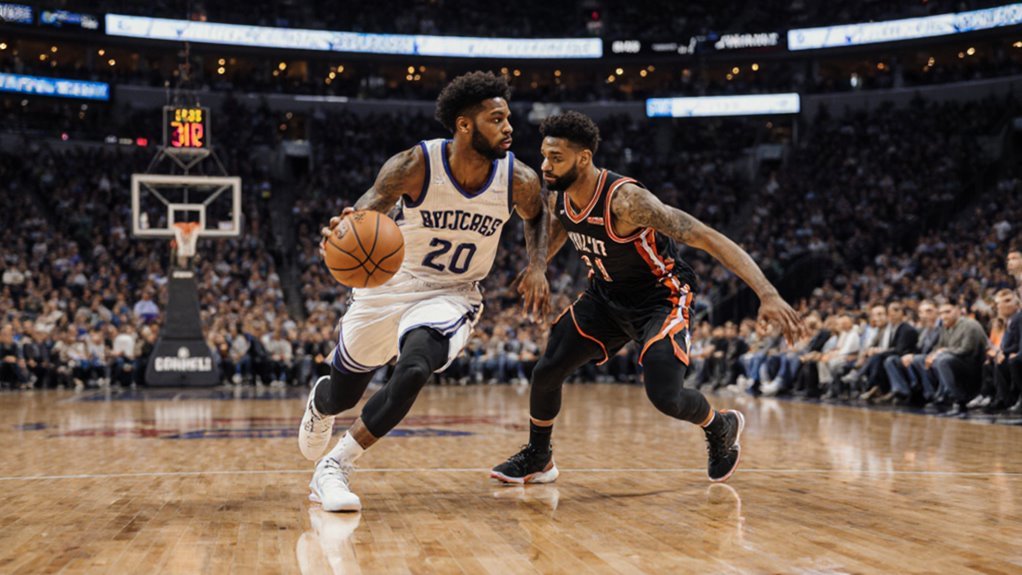

A pick and roll is a two-player basketball play where one player sets a screen (the pick) and then rolls toward the basket. The screener blocks a defender to free the ball-handler. The ball-handler uses the screen to drive, shoot, or pass. The roll creates a scoring threat near the rim that forces defenders to choose. This action opens lanes, creates high-percentage shots, and stretches defenses.
What Is a Pick and Roll?
The pick and roll breaks down a defense in a simple but smart way. You and a teammate work as one, which can make the game feel less lonely and more connected. One player sets a legal screen, so good screen etiquette matters: feet planted, arms tucked, and a strong body position.
That action helps create court spacing, giving the ball-handler room to attack, pull up, or pass. Then the screener moves toward the lane or away from it, which keeps defenders guessing. Because you read the defense fast, you can punish a switch, a hedge, or a late recovery.
This play shows up everywhere because it’s reliable and familiar, from Stockton and Malone to Curry and Green, and it gives your team a real chance to create easy shots.
How a Pick and Roll Works
You run a pick and roll with two people working as one: the ballhandler uses the screen, and the screener holds position to block the defender’s path.
As you read the defense, you’ll see quick choices like switching, hedging, or fighting through, and each one opens a different play. Then you react fast, either turning the corner, pulling up, or rolling hard to the basket for an easy look.
Basic Two-Man Action
A pick and roll starts with a simple but powerful two-man move, and it can make a defense feel a step behind right away.
You wait for the screener to arrive, set a legal screen, and hold a wide base with bent knees. That solid stop matters, because the ballhandler needs clean spacing principles and sharp footwork timing to turn the corner at about a 45-degree angle.
Then you read the defense together. Should they switch, hedge, trap, or fight through, you can keep going, pull up, or slip a pass.
As the screen comes, the screener pivots and rolls hard toward the rim, ready for a quick feed. It’s a simple rhythm, and once you trust it, your team feels connected and hard to guard.
Ballhandler And Screener Roles
In a strong pick and roll, the ballhandler and screener each have a clear job, and that’s what makes the play feel so sharp.
You dribble hard toward the screen, keeping your eyes up and your body low.
The screener plants both feet, tucks the arms, and uses solid grip techniques to hold position without fouling.
That helps you turn the corner or rise into a shot.
After contact, the screener pivots and rolls to the rim, ready for a quick pass should the defense lag.
In the event they switch, you can attack the slower defender or feed the roller fast.
In case they stay home, you keep your timing tight and shoot with confidence.
Strong spacing concepts help both of you stay connected and dangerous.
Read And React Options
Reading the defense is the heart of every pick and roll, and that’s what makes the play feel alive. You start with a hard screen, then keep your head up and read lanes with quick visual recognition.
Should the defender switch, you have a short window to feed the rolling screener with a bounce or chest pass. In the event the defender hedges, you can split the gap, attack the pressure, or rise for a clean jumper.
Were your defender to fight through, the screener can slip to the rim or pop to space for a shot. Good timing matters, so you want a 45-degree drive and clear talk with your teammate.
Once you trust those choices, you and your partner play with rhythm, confidence, and real team connection.
Ball-Handler Reads and Decisions
As you come off the screen, your next move has to happen fast, but it also has to feel calm and under control. Read the defender initially, then trust your body. Should they switch, use quick counter footwork and hit the roller with a bounce or chest pass before help closes. In the event they hedge hard, attack the space, split it, or drive straight at the gap. Should they stay home, rise into your shot from the pocket.
| Read | Your move | Why it works |
|---|---|---|
| Switch | Quick pass | Beats help |
| Hedge | Attack | Creates pressure |
| Stay | Pull up | Uses space |
Keep your head up, because zone manipulation starts once you see the weak side ahead of time. In case help rotates, you can find the open shooter or make a smart drive and kick.
Screener Roles and Rolling Options
The screener does more than just stand there and hope for the best. You use screener footwork to arrive on time, plant a wide base, bend your knees, and keep your feet set so the screen stays legal. Then you pivot and choose your roll timing.
Should you’re the ballside roller, you usually roll right after the pick, which helps your team build spacing and trust. In case defenders hedge hard or overplay, you can slip or come from the opposite side to open a lane. As you turn, you angle your outside shoulder toward the ball, sprint to the rim, and keep your hands high for a bounce or lob pass. Stay ready to finish through contact, because that quick window can vanish fast.
How Defenses Stop the Pick and Roll
Once the screen is set, defenses usually react fast, and that’s where the real chess match starts.
You’ll see a hedge whenever the screener’s defender steps up to slow your drive, then races back to the roller. You could face a switch, which keeps the ball in front but can leave a mismatch to attack.
In case you’re a weak handler, a trap or double-team can squeeze you into a rushed pass.
In drop coverage, the big stays near the rim while you work against the screen and settle for tougher mid-range shots.
On side screens, ice or show away pushes you toward the sideline.
Good defensive rotations and quick perimeter recovery help these plans work, so you’ve got to stay patient and keep moving.
Pick and Roll Timing and Communication
You should signal before the screen with a fist, a word, or another quick cue so everyone knows the play’s coming.
Then you need to wait until the screener is fully set, because that split-second pause keeps you out of foul trouble and gives you better space to attack.
After that, read the defense fast and decide whether to hit the roller, take the pop, or turn the corner yourself.
Signal Before Screening
Quick signals make a pick and roll feel smooth instead of rushed. You and your teammate build trust with screener timing and silent signals, like a raised fist or saying a name. That cue tells the ball-handler at what moment to come and helps you avoid a moving screen call.
- Point or call the side, like left, so your screener reaches the right angle.
- Keep your dribble rhythm steady and make eye contact before the screen.
- Let the screener sprint in, plant both feet, bend the knees, and become set.
Whenever you sync these habits, you and your squad feel connected. The lane opens cleaner, and your play looks sharp instead of messy. A quick cue at practice can save you from chaos in the game.
Wait For The Pick
Waiting for the pick takes patience, but that pause is what makes the whole play work. You stay low, keep your dribble alive, and trust your foot placement until the screener is truly set. Look for steady feet and a raised fist, or use your silent count so both of you move together.
Then brush the screener’s shoulder at a 45-degree angle and explode into space. Should you go too soon, the defender slips through and the screen loses its bite. So call the side, wait for the signal, and let the pick arrive cleanly.
Once the timing feels right, you and your teammate look connected, almost like you planned it in the locker room. That calm trust helps your offense feel easy, even while the defense is trying hard.
Read The Defense
Now that the screen is set and the timing feels right, the next step is to read what the defense gives you. Trust your defender instincts, because the initial dribble tells you plenty. Use spacing cues and stay calm together.
- Your screener should call your name or raise a fist, then set his feet.
- Should the defender switch, hit the rolling screener fast before the lane closes.
- In case the defender hedges hard, split the trap or drive downhill to force help.
- Should the defender stays home, rise into an open jumper with balance.
You don’t need to guess. You need to see one reaction, make one clean move, and keep your group connected.
Once you and your teammate communicate beforehand, the whole play feels smoother, and everybody gets a better shot.
Pick and Roll Advantages
The pick-and-roll gives your offense a real edge because it makes the defense make a hard choice in a split second. You get pace advantages, spacing creation, and easy reads that help you feel in sync with your teammates.
Should the defender stays home, your ballhandler can attack the lane or pull up for a clean jumper. In cases they switch, you can hunt a mismatch, like a quick guard against a bigger player or a rolling big with a finish edge.
Also, the action squeezes help defenders, which can open kick-outs to shooters and driving lanes. Whenever you add a pick-and-pop or a pick-and-slip, you keep everyone guessing.
With good timing and a sharp pass, you and your group can turn one screen into points.
Common Pick and Roll Mistakes
You can run a clean pick and roll, but poor screen angles can ruin it fast. Should you move too soon or let the ball handler go before you’re set, the defense stays balanced and the play loses its punch.
Once you miss the defender’s read, your screen, roll, or pop can turn into a rushed pass, a tough shot, or a turnover.
Poor Screen Angles
Because a pick and roll only works provided the screen is sharp and timed right, poor screen angles can break the whole play before it even starts. Whenever you set angled screens, keep your feet still and your body at about 45 degrees.
Suppose you keep sliding feet or face the defender head-on, you let the defender slip through and you lose the edge your teammate needs. Also, stay close enough to your ballhandler so your shoulder nearly brushes theirs. A gap gives the on-ball defender room to fight over.
- Plant your feet before contact.
- Turn your back toward the middle, not the sideline.
- Set the screen where your teammate can use it, not far from the ball.
Early Ball Movement
Often, the biggest pick and roll mistake happens before the real action even begins: the ballhandler moves too soon. You need to wait until your screener plants both feet, because premature movement cuts off separation and can draw a moving-screen foul.
Then, stay patient and read the setup. Should you rush, your lane shrinks and your team feels crowded instead of connected. After the screen is set, take your angle and keep your eyes up. That helps you make quick passes once the defender switches, especially to the rolling screener.
Don’t float the ball late. A bounce or chest pass within one dribble keeps the play alive. As you time it well, everyone gets room to work, and you look like you belong there.
Weak Defensive Reads
A clean pick and roll starts to fall apart once the defense gets a good read, and that usually means the offense missed something small. You can still fix it should you spot the clues fast and stay calm together.
Upon coming off the screen at the wrong angle, the defender can fight through. Were you not to wait for the screener to set, you might lose space or draw a moving call. Then, in the event you force a slow pass, you miss the tiny window after a switch.
- Seal the angle.
- Wait for still feet.
- Read missed rotations and overhelping traps, then attack the hedge or slip the ball fast.
That’s how you keep the defense guessing and your group connected.
Pick and Roll Variations
Pick-and-roll variations give you more than one way to stress a defense, and that’s what makes the action so hard to stop.
In case you love playing together, these options help you fit the moment. A traditional roll gets you a quick plunge to the rim.
A high pick-and-roll, set near the top, can open drive-and-kick chances and 4-on-3 looks. A flat pick-and-roll, with the screener squared near the arc, helps against pressure and keeps the floor wide.
With screen stagger, you can force extra movement before the main action starts. And with sharp slip timing, you can beat a defender who leans too hard or fights through ahead of time.
Each choice gives you and your teammates a cleaner read, so the defense has to guess, not you.
Pick and Pop Explained
Pick and pop gives the defense a hard choice right away, because the screener pops out instead of diving to the rim.
You can use this move whenever your big has real shooting range and the floor follows spacing principles.
The defense must guard your drive and the open jumper, so you and your teammate feel like you belong in the same smooth rhythm.
- Read the defender: switch, hedge, or stay.
- Move one dribble, then fire a timely pass.
- Catch, set, and shoot with calm shooter psychology.
Whenever you work with a stretch four or center, you pull rim protectors away and open catch-and-shoot space.
That small step back can change the whole play.
High Pick and Roll Offense
As soon as your pop action has already pulled the defense apart, the high pick-and-roll gives you the next level of pressure right at the top of the floor. You set it near the free-throw line or just beyond the arc, and you create better floor spacing and clearer reads. With a quick guard and a bigger screener, you can turn quarter court tempo into a simple attack.
In the event the defense hedges, you split it or drive the recovering big. Should they switch, you hunt the mismatch near the rim. Because the ball moves fast, you also force 4-on-3 help rotations that can open corner threes, cutters, or a lob. Stay patient, trust the screen, and your group will feel connected.
Famous Pick and Roll Duos
Few basketball actions tell a better story than a great duo working in sync, and the best pick-and-roll pairs have made that chemistry feel almost automatic. You can learn a lot from these Legacy partnerships because each one shows trust, timing, and shared rhythm.
- John Stockton and Karl Malone built a Jazz classic, with Stockton’s passes finding Malone for easy finishes.
- Steve Nash and Amar’e Stoudemire turned the high pick-and-roll into one of Phoenix’s Signature moves, pushing pace and keeping you on your heels.
- Chris Paul and DeAndre Jordan made lob plays feel routine, while Stephen Curry and Draymond Green used clever angles to create space.
When you watch these duos, you feel how teamwork can lift everyone around them.
Pick and Roll Drills to Practice
Great pick-and-roll players don’t just know the move, they rehearse it until it starts to feel natural, and that’s where the right drills make all the difference. You’ll build trust with your teammate whenever you repeat screen spacing and footwork timing until both of you move as one. Start with 2v0 shooting, then add live reads, so you can feel at what point to shoot, drive, or slip a pass.
| Drill | Focus | Result |
|---|---|---|
| 2v0 | timing | clean roll |
| 2v2 | reads | game pressure |
| 3v3 | corner help | better passes |
Next, work on splitting the hedge, because tight control helps you stay calm in traffic. Then finish against help-side defense with floaters, euro steps, and tough layups. That’s how you and your crew start looking sharp together.
Frequently Asked Questions
What’s the Difference Between a Pick and Roll and a Screen?
A screen is the stationary block you set to free a teammate; a pick and roll adds movement after contact, with you rolling to the basket. Off ball screening and slip screens use the same idea differently.
How to Pick and Roll in NBA?
You set a ball screen, brush the screener’s hip, read the defense, and attack hard for rim attacks or a quick pass. Like a chess move, you will sync timing, trust teammates, and create easy buckets.